Advancing Gender Equity in South Asia
GoodWeave’s mission to break the intergenerational cycle of child and forced labor
Child and forced labor are not gender neutral. In South Asia’s carpet and garment supply chains, the same structural constraints that push children into work – poverty, debt bondage, lower wages, and unpaid care burden – fall disproportionately on women and girls. When women earn less, face harassment at work, or cannot access education, the conditions for child and forced labor persist.
Women workers in textile and apparel communities may face barriers related to workplace protections, rights awareness, and health services. Significant risks exist in the ready-made garment supply chain, where women often face gender-based violence and harassment in the workplace, lower and/or withheld wages, and lack proper legal recourse. These risks are particularly acute and exacerbated in informal, subcontracted, or home-based tiers where GoodWeave works, and where workers – predominantly women – have the least access to protections.
Many workers and community members supported through GoodWeave programs belong to historically marginalized groups, including migrants driven by poverty or climate pressures, discriminated castes, and ethnic and religious minorities. Their vulnerabilities are compounded by gender discrimination, geography, and socioeconomic status.
By working with girls and women through an intersectional approach that addresses broader patterns of historical marginalization, GoodWeave helps break the cycle of child and forced labor.
GoodWeave’s Gender-responsive Approach:
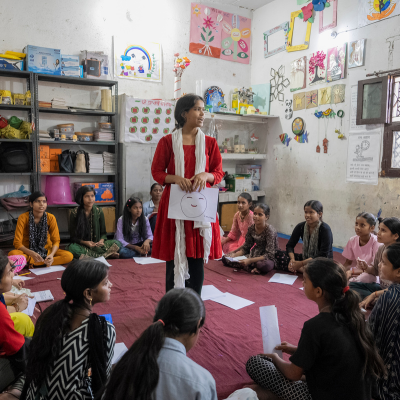
Girls’ Empowerment Groups
As part of GoodWeave’s Child Friendly Community programs in India, we have established peer Girls’ Empowerment Groups to support adolescent girls through rights awareness, life skills activities, and providing safe spaces for discussion and learning on sensitive topics.
Today, more than 50 groups support nearly 2,000 girls through discussions and activities focused on communication, child marriage, sexual and reproductive health and rights, menstrual hygiene, respect and empathy, equal rights, well-being, and seeing themselves as community change agents.
The groups help girls build confidence, strengthen their awareness of their rights, and provide a space to discuss challenges affecting their education, health, and future goals, including topics that may otherwise be considered taboo in their communities. Many participants are survivors of exploitation, at risk of child labor, child marriage, trafficking, children of workers in supply chains, internal migrants, or members of historically marginalized communities.
Our strategy also includes engaging men and boys on changing attitudes regarding the value of girls’ education, respectful behavior, and women’s empowerment, because sustainable change requires shifting norms across the whole community.
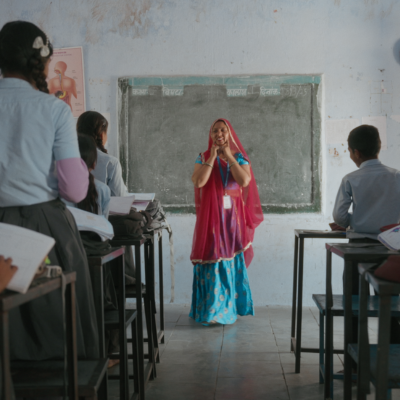
Supporting Women in Leadership Roles
Many women in leadership and facilitation roles supported through GoodWeave’s programs in India and Nepal come from the same communities they now support and bring lived experience and local knowledge to their work. Some are survivors of child labor or faced barriers to education, restrictive social norms, early marriage pressures, or other limitations on their opportunities while growing up.
By supporting women in leadership and facilitation roles, GoodWeave helps create pathways for women to take on visible and trusted roles within their communities. Their experiences and perspectives can help foster trust, encourage participation, and inspire girls and young women pursuing educational and leadership opportunities of their own.
GoodWeave’s short film Weaving Hope highlights the story of Seema, a facilitator working in a weaving community in Rajasthan, India. Through her work with girls and families, she helps foster conversations around education, health, and opportunities for girls in communities where restrictive social norms can limit their choices and futures. Her story reflects the important role women can play in helping break barriers, pursue leadership opportunities, and inspire the next generation of girls and women in their communities.
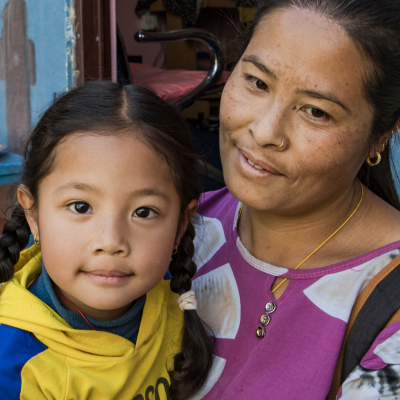
Education and Early Childhood Support
When women have a safe, stable income and their younger children have early childhood care, the economic pressure of sending older children to work is lessened. Having access to education and early childhood support can play an important role in helping girls remain in school and reducing their vulnerability to child labor and exploitation.
In many communities where GoodWeave works, impoverished families may struggle to afford books, uniforms, and other school-related expenses, forcing parents to choose between day-to-day needs and investing in their children’s education. In more conservative communities, girls may also stop attending school once they reach puberty or are expected to remain at home to support household responsibilities.
GoodWeave supports activities that help connect girls to educational opportunities through school enrollment support, attendance tracking, household visits, educational bridge programs, and community-based monitoring of school attendance. Support may also include rehabilitation and educational support for children who are survivors of child labor and exploitation.
GoodWeave also supports early childhood centers for young children, including nursery-style learning through play supervised by trained play leaders. These activities help provide young children with safe learning environments while helping reduce the need for mothers to bring children into workplaces.
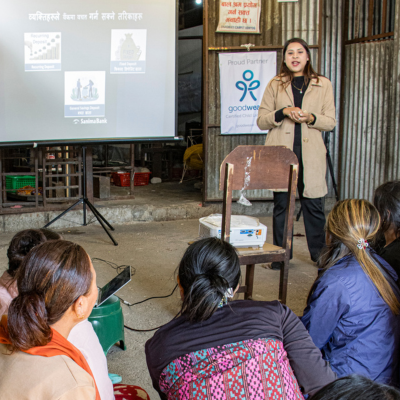
Women Workers and Rights Awareness
GoodWeave supports worker awareness and well-being activities in India, Nepal, and Bangladesh focused on worker rights, child labor prevention, protection from harassment and gender-based violence, and decent working conditions. Awareness sessions and trainings address topics such as gender equality, workers’ rights, and access to grievance redressal mechanisms.
In Bangladesh’s garment sector, GoodWeave has partnered with Awaj Foundation, a Bangladesh-based labor rights organization to help provide access to legal support on grievance redressal mechanism in line with Bangladesh’s national labor laws and international labor standards including ILO Conventions.
GoodWeave also supports health initiatives for women workers in India and Nepal’s carpet sectors, including sexual and reproductive health awareness sessions and vision care clinics that provide screenings and access to affordable eyeglasses through partnerships with organizations such as VisionSpring. Financial literacy training is also offered to women workers, helping them build knowledge and confidence in managing personal and household finances, and support with opening formal bank accounts.