Nepal cannot bear the growing costs of climate change alone
September 3, 2026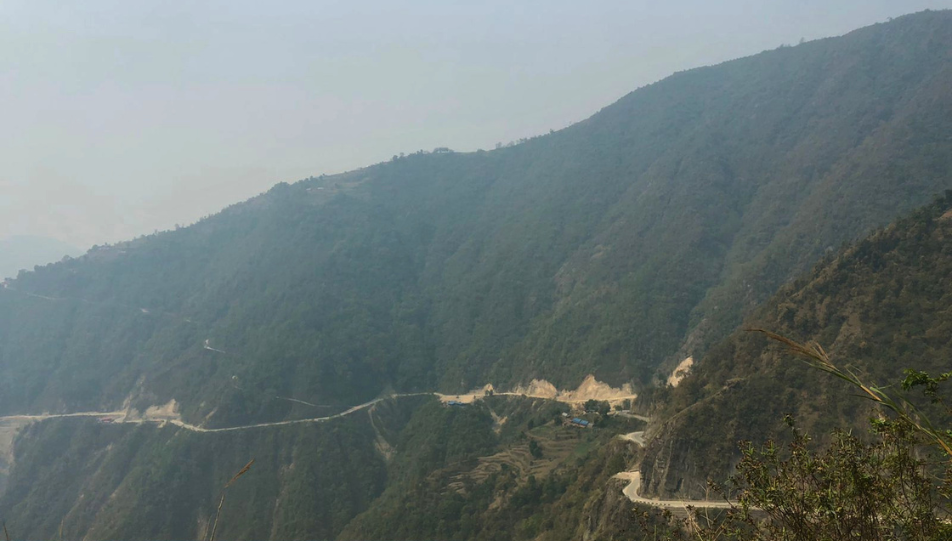
Mountainous terrain along a rural road in Nepal. Photo by GoodWeave International
On Wednesday, August 26, catastrophic flash floods struck northern Nepal along the Tibet border following a massive glacier collapse high in the Himalayas. The resulting surge of water, ice, rock, and debris swept through communities along the Bhote Koshi and Trishuli river corridors, causing widespread loss of life and destruction across Rasuwa, Nuwakot, Dhading, and other downstream districts. At the time of writing, more than 1,000 people have been confirmed dead in Nepal, with thousands still missing as search and recovery efforts continue. With monsoon season underway, there is a high risk of additional flooding in these already decimated communities.
Nepal has a history of flooding, and as climate change intensifies, flood-related disasters are becoming increasingly common. What makes this event particularly catastrophic, however, is the sheer scale of the destruction and the increasingly clear evidence that climate change is exposing communities in this region to repeated and devastating impacts. Consider, for example, the bridge between Syaphrubesi and Rasuwagadhi, rebuilt after floods destroyed it in July 2025, only to be washed away again. This marks the third consecutive year in which Nepal has experienced catastrophic flooding. In 2024 and 2025, floods and landslides caused widespread destruction, loss of life, and significant damage to infrastructure in the country.
It raises an important question: When do we stop treating these events as isolated natural disasters that happen year after year and begin connecting the dots to the larger crisis? These increasingly severe and recurrent disasters are occurring in the context of human-caused global climate change, and Nepalis are bearing a disproportionate share of the consequences. The human impact of these climate disasters extends far beyond just the immediate loss of life and destruction of property.
We know from GoodWeave’s own research that repeated and prolonged climate-related shocks increase people’s vulnerability to child and forced labor. Our report, From Risk to Resilience: How Climate Change is Deepening Child and Forced Labor in Nepal, and what to do about it, found that the impacts of climate change have directly or indirectly contributed to families’ decision to send children in to work or migrate for employment under precarious conditions, particularly in Nepal’s carpet and brick sectors.
The consequences for children are both immediate and long-term. Since last week’s flood, UNICEF has reported that 17,000 children are in urgent need of humanitarian assistance, and that 18 schools have been destroyed and another 20 severely damaged. As children lose access to safe school environments, coupled with their families’ sudden, acute economic hardship, the risk of children dropping out of school and entering the workforce rises sharply.
GoodWeave’s climate report offers several recommendations to the Nepali government, including enhancing climate change adaptation and disaster risk reduction. Among the recommendations relevant to the floods was to implement structural measures along riverbanks to prevent floods and landslides and promote forest protection. The report also recommends integrating climate resilience and adaptation measures by local communities and expanding weather forecasting and early warning systems in climate-vulnerable areas through SMS alerts or calls to support better preparedness. These recommendations, if implemented in a timely manner, could have helped save lives and reduce property damage.
But the Nepali government has made progress in addressing climate change through infrastructure and other policy reforms. In November 2023, Nepal launched its first National Adaptation Plan to bolster the country’s resilience to climate change. Nepal has increased its forest cover by approximately 22 percent since 1988, with forests now covering nearly 45 percent of the country’s land. The country has also invested substantially in electric vehicles and hydropower. In 2025, electric vehicles accounted for 76 percent of passenger and commercial vehicles sold in Nepal, helping reduce dependence on fossil fuels.
However, responsibility for a global crisis like climate change requires a global response. Nepal cannot shoulder the enormous costs of climate adaptation and mitigation alone, particularly given its limited resources and high vulnerability to climate impacts. Nepal is among the countries most vulnerable to climate change yet contributes less than 0.1 percent of global greenhouse emissions.
A meaningful global response to climate change must provide Nepal and other highly vulnerable countries with the resources they need to adapt and protect their people, not only as a matter of national responsibility, but as part of a global effort to address a crisis they did not create. Nepalis deserve that much from the world, at the very least. We cannot leave the people of Nepal to bear the growing consequences of climate change alone.
For those looking to help with the immediate impact of the floods, Nepal-based and U.S.-based organizations are accepting donations to support relief and recovery efforts. In Nepal, the Office of the Prime Minister and Council of Ministers (OPMCM), and the Nepal Red Cross Society are providing emergency assistance in affected areas. U.S.-based organizations supporting relief efforts, including Save the Children, the Red Cross and Doctors Without Borders, are also mobilizing resources and providing humanitarian assistance to children and families affected by the floods.