Representing survivor voices at the Sixth Global Conference on the Elimination of Child Labor
March 8, 2026By Sumitra Basnet
There was a time in my life when work filled my days, and school felt out of reach. I entered the carpet industry as a young child because my family could not afford my education. I learned too early what it meant to carry responsibilities no child should have to bear.
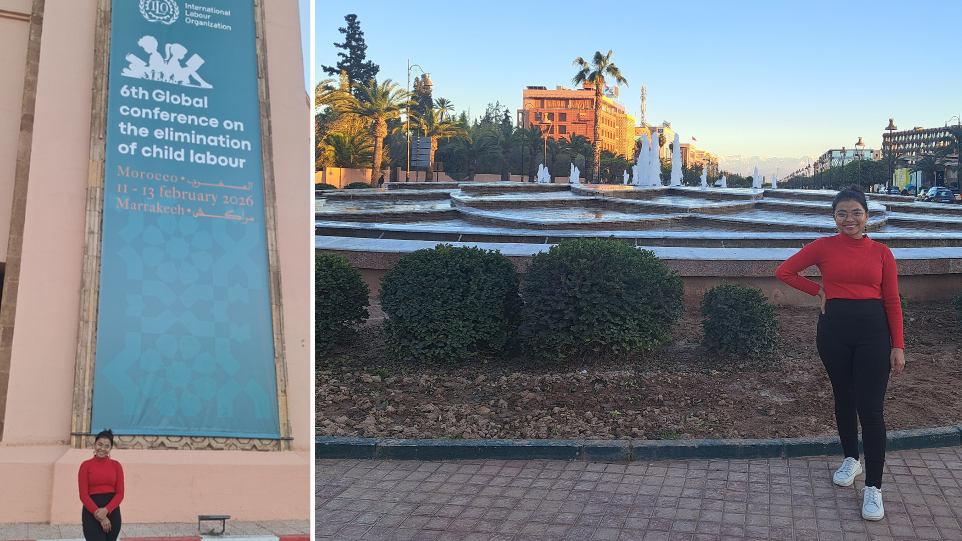
This February, I carried those experiences with me to the Sixth Global Conference on the Elimination of Child Labour in Marrakech, Morocco, where I took part not only as an attendee, but as a survivor and advocate.
Getting a visa as a young woman from a developing country like Nepal was not easy. The process was challenging, but with the encouragement and support of people I have come to know along the way, I was finally able to make the journey.
My sincere thanks to the Honorary Consul of Morocco to Nepal, Mr. Basant K. Chaudhary, for his support in making this possible.
This was not just an international event. It was a once-in-a-lifetime opportunity to represent the voices of child labor survivors on a global stage. The conference, held from February 11–13 at the Palais des Congrès, brought together governments, civil society, businesses, and survivors from around the world. Sitting in a room with representatives from 187 International Labour Organization member states made it clear how serious and widespread the issue of child labor still is.
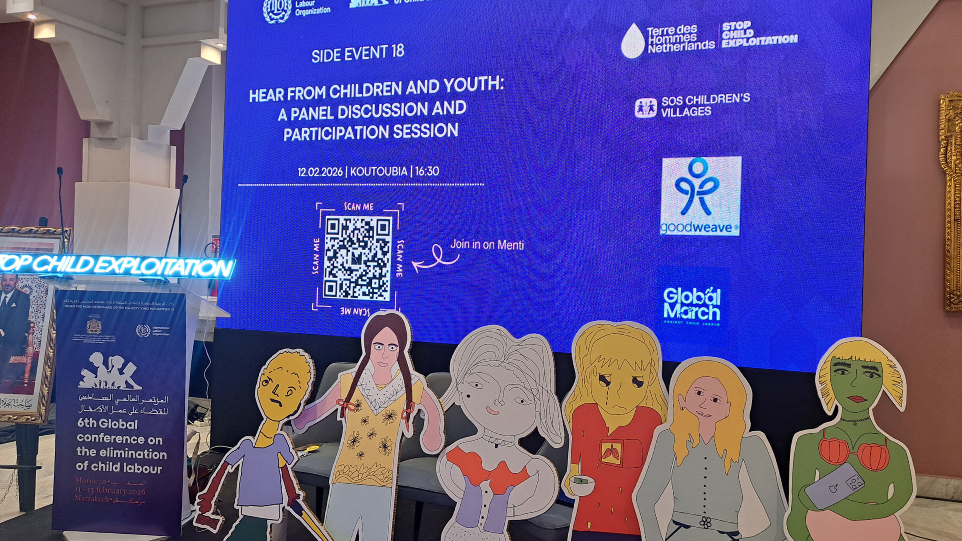
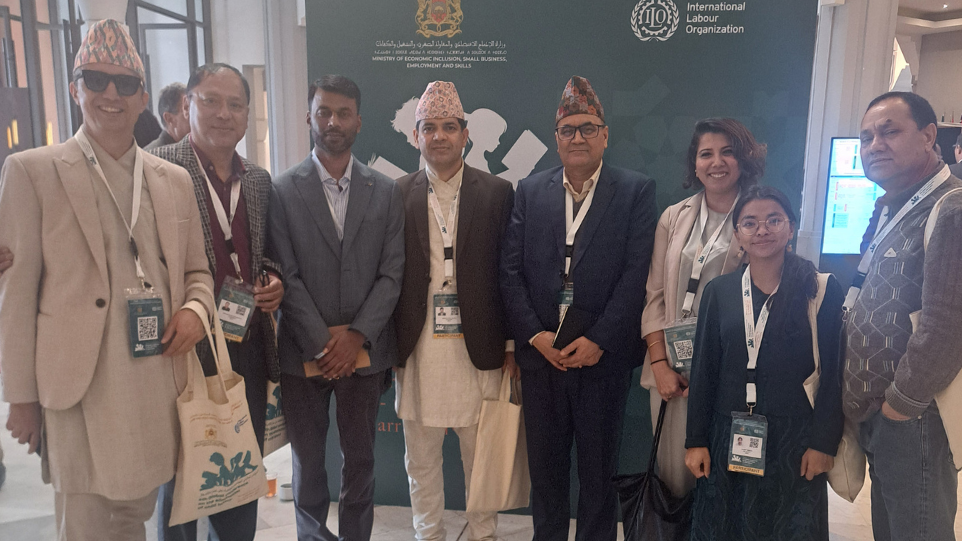
On February 12, I had the honor of speaking on a panel alongside fellow survivors from Ghana, Kenya, the Philippines, the United States, and Morocco. Sharing our lived experience was powerful. It reminded everyone that child labor is not just a statistic, but something that affects millions of children every day globally.
Child labor in Nepal often means children under 14 working in hazardous industries such as carpet factories, brick kilns, agriculture, and domestic work. For many of them, school is not an option. Poverty, climate change, migration, debt, disability, and alcoholism can make these situations even more difficult for families.
In my own case, poverty led me to start working in a carpet factory at the age of nine. In the factory, we used to work from 5:00 am to 10:00 pm. I remember watching other children go to school and wishing I could join them. Some children lived under the contractors’ care, especially girls who were particularly vulnerable. There was limited drinking water, poor sanitation, no proper winter clothing, and long, exhausting hours. We would sometimes comfort ourselves by believing that a better life was not meant for us.
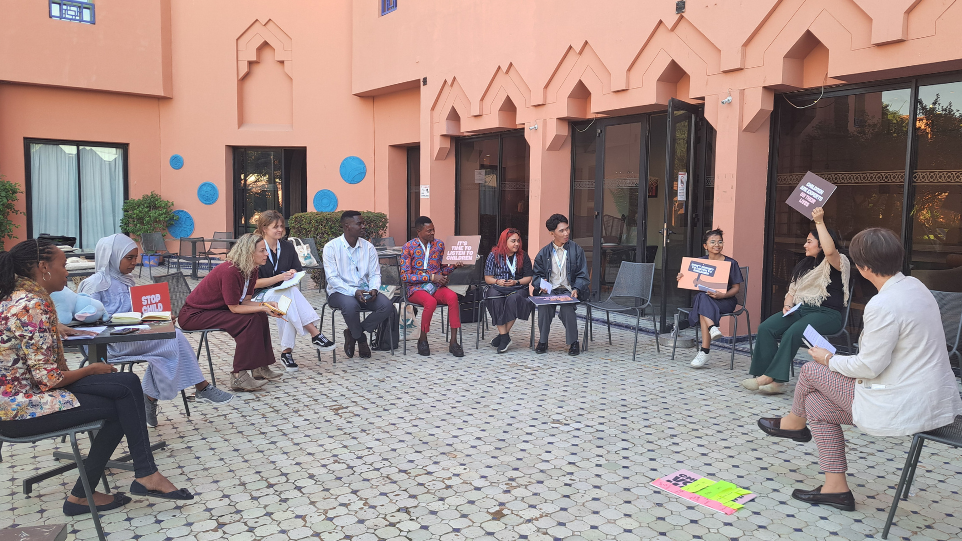
During the panel, I emphasized the importance of youth leadership and collective action. I spoke about how young people are not only ready to lead change but are already driving it forward. I shared examples from Nepal, including youth-led movements that showed the power of young voices demanding accountability. I also spoke about my own efforts, sharing my story in my community to encourage families to send their children to school, and engaging with ethical businesses internationally to promote child-labor-free supply chains.
The practice sessions before the panel helped me prepare and feel confident. This was my second international event after Iceland last year, and this time I felt stronger, more independent, and proud of my growth. Traveling alone and speaking at such a major conference gave me even more confidence in myself.
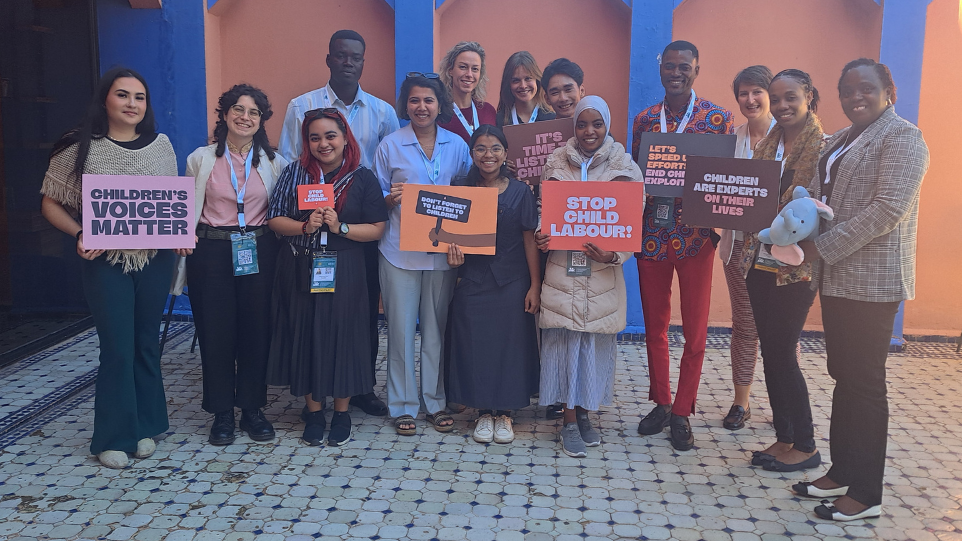
Beyond the panel, the most meaningful part of the conference was connecting with other survivors. Even though we came from different countries, our stories carried similar pain, resilience, and hope. Those connections reminded me that we are not alone in this fight.
This experience reinforced my belief that ending child labor is possible, but only if governments treat it as a top priority and work together with businesses, civil society, and young people.
Survivors should not only be invited to speak. They should also be given a seat at the decision-making table.
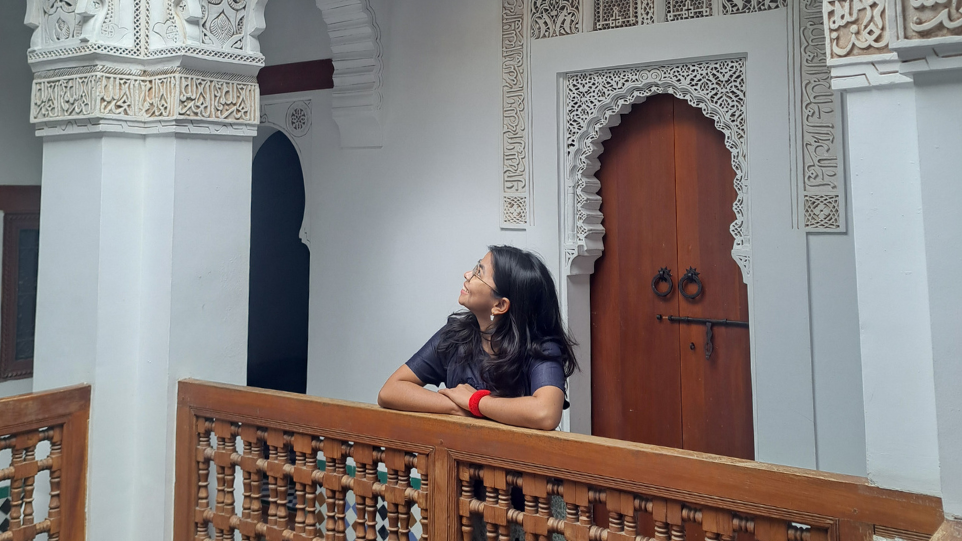
From a girl working in a factory to a young woman speaking at a global conference in Morocco and in Iceland, my journey shows that change is possible. And I will continue raising my voice until every child has the chance to learn, dream, and live freely.