The hidden costs of Trump’s tariffs on global supply chains
January 21, 2026Written by Sadikshya Nepal, Director of Advocacy and Communications, GoodWeave International
During his second term in office, President Trump instituted a range of tariffs on dozens of countries globally, setting off a trade war that is disrupting the global economy.
According to Democrats on the bicameral Joint Committee, Trump’s tariffs are estimated to have added nearly $1,200 in costs for American households.
For Indian-origin goods, the tariffs were levied at 50% – an additional 25%, in addition to the existing 25% reciprocal tariff for simply buying oil from Russia. These tariffs have impacted workers in India, especially in the hidden tiers of the supply chain, increasing the risk of child labor.
Building an ethical business with transparent supply chains often results in higher production costs. When production costs increase, goods produced with safeguards against child and forced labor, which often carry a higher price tag, become more vulnerable to being cut as companies look to reduce costs.
In India, and in sectors where exploitative practices remain widespread, higher tariffs could mean less supply chain vigilance, lax monitoring, and reduced remediation programs, leading to higher numbers of child and forced labor in the production of goods that ultimately enter American homes through U.S. retailers.
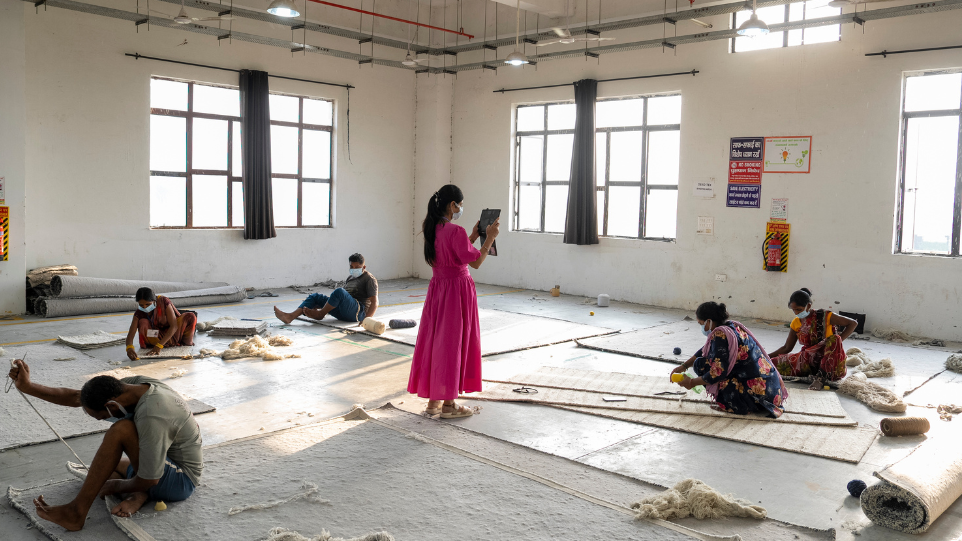
For India’s carpet industry, which is also subject to the 50% tariff imposed, exporters lament the sudden halt to production. With the United States being the biggest market for hand-knotted, hand-tufted, and hand-woven or flatweave dhurrie rugs, the tariffs have imposed a collapse to the entire supply chain. In such an environment, it would be unsurprising to see an increase in child labor use and driving down wages to keep production costs low, especially for an industry where child and forced labor remains prevalent. This is compounded by the fact that any programs that monitor, protect and prevent labor abuse, including the protection of children, have also been discontinued or are at risk of cancellation.
Such drastic changes to the supply chain also run the risk of losing artisan skills that have been generations in the making. Carpet weaving is a skill that takes years to craft, and weavers often start at a young age. With the reduction in the workforce brought on by the tariffs, the craft could be lost forever.
While we encourage businesses to adhere to an ethical supply chain, governments must create an environment where it is easier for them to do so. An enabling environment for ethical business means creating trade policies that support businesses in carrying out responsible conduct without duress. The trade war that has imposed restrictions on companies since the beginning of the Trump administration have helped undermine decades of ethical trade progress, weaking business practices, eroding diplomatic trade preferences, and pushing vulnerable workers back to conditions we have all worked hard to end.